
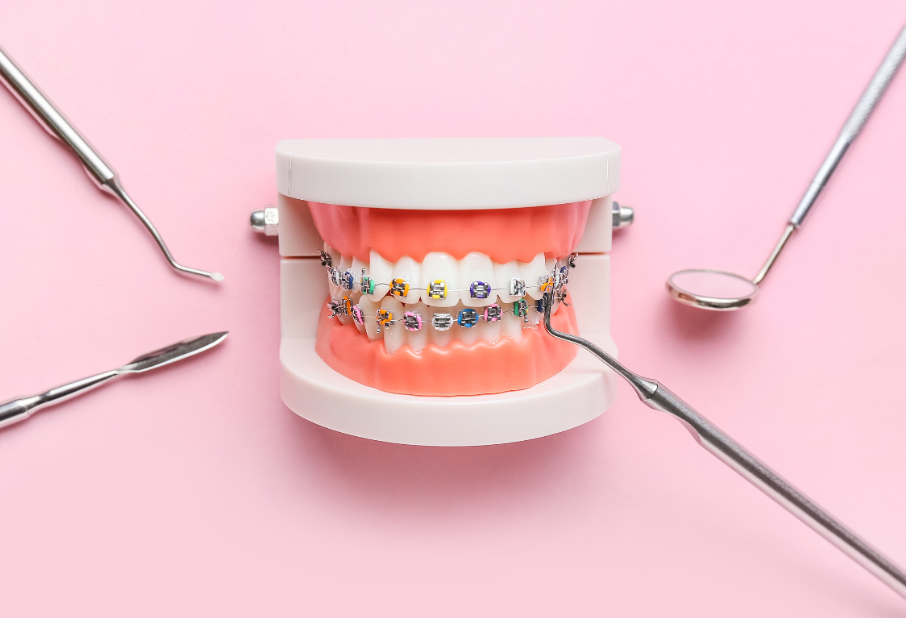
Hearing that they need braces may not be the news your teenager was hoping for. While orthodontic treatment can support a healthier, more functional smile, your teen may be more focused on how braces will look, what their friends will think, or whether treatment will be uncomfortable.
That reaction is completely understandable. Instead of treating their concerns as something they simply need to get over, parents can help teens approach braces with confidence by giving them space to process the news and understand what to expect.
Start With an Honest Conversation
Before launching into all the reasons braces will be good for them, give your teen a chance to react. They may have questions, concerns, or even strong feelings about getting orthodontic treatment.
Listen without immediately dismissing those concerns. Saying something like, “I know this isn’t what you wanted to hear,” can go a long way toward helping your teen feel understood.
You can then explain why orthodontic treatment has been recommended and how it may benefit their oral health and smile.
Focus on the Benefits
Teenagers may not be particularly excited about having brackets and wires on their teeth, but they may be more interested in the results.
Braces can gradually move teeth into better alignment, which can improve the appearance of a smile and make teeth easier to care for. Depending on your teen’s specific needs, orthodontic treatment may also help address bite problems or other alignment concerns.
Try to frame braces as a temporary step toward a long-term goal rather than something your teen has to simply endure.
Let Them Ask Questions
Your teen may have questions you haven’t considered. Will braces hurt? What can they eat? How long will they have them? Will they still be able to play sports or musical instruments? What will their friends say?
You don’t need to have every answer yourself. Write down their questions and bring them to the orthodontic appointment. Having accurate information can make the process feel much less intimidating.
It can also help to explain that some mild discomfort or tenderness may happen after braces are placed or adjusted, but the orthodontic team can provide guidance for managing it.
Give Them Some Control
When possible, let your teenager participate in decisions surrounding their treatment. Depending on the options available, they may be able to choose things such as the colors of their braces or accessories.
Giving them a voice can make braces feel less like something being imposed on them and more like a process they’re actively participating in.
You can also help them prepare for the practical side of treatment by stocking up on braces-friendly foods and making sure they understand how to keep their teeth and braces clean.
Remind Them They’re Not Alone
Braces are common, especially among children and teenagers. Your teen may initially feel self-conscious, but chances are they won’t be the only person at school with orthodontic appliances.
Most importantly, remind them that braces don’t define who they are. They’re simply one part of their journey toward a healthier, more confident smile.
A little empathy and encouragement can make the transition to braces much easier for everyone.
About the Practice
G&G Pediatric Dentistry and Orthodontics provides specialized dental and orthodontic care for children and teens, with treatment options designed to support developing smiles. The practice offers traditional braces and focuses on creating a comfortable, supportive environment for young patients and their families.
With the right support, your teen can get through braces—and eventually get to show off the smile they worked toward.
Call us at (630) 778-9500 or schedule your appointment online